
Browse by Topic
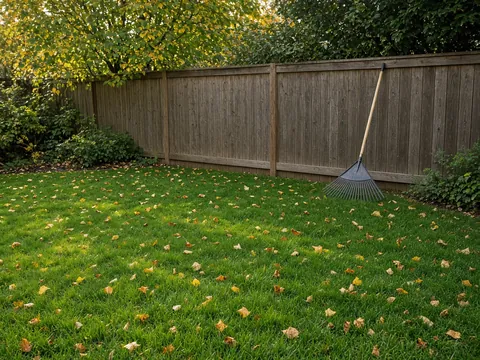 Lawn CareDethatching, core aeration, and overseeding timed to your grass type, from extension research.
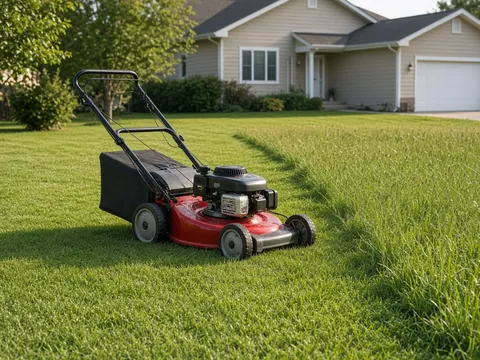 Mowing & EquipmentMowing heights by grass type, the one-third rule, and getting a mower to start after storage.
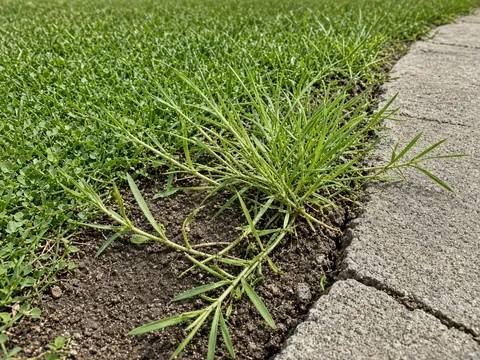 Weeds & PestsCrabgrass pre-emergent timing, white grub thresholds, and when a treatment is really needed.
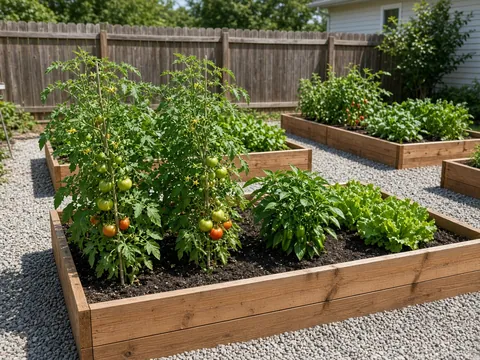 Gardening & Raised BedsRaised bed soil mixes and volume math, mulch vs compost, and vegetable garden basics.
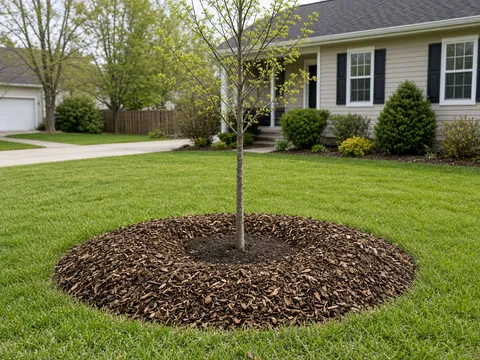 Trees & ShrubsPlanting trees at the right depth, mulching rings, and when to prune flowering shrubs.
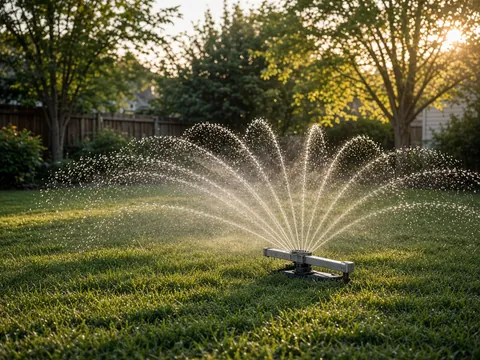 Irrigation & SoilHow much and when to water, soil testing, pH, and lime or sulfur rates.
Start Here
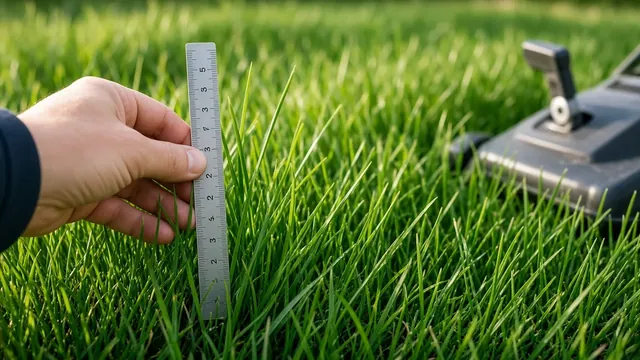 How High Should You Mow Grass? Mowing Height Chart by Grass TypeMost cool-season lawns do best around 2.5 to 3.5 inches, bermuda and zoysia much lower, and you should never cut off more than a third of the blade at once.
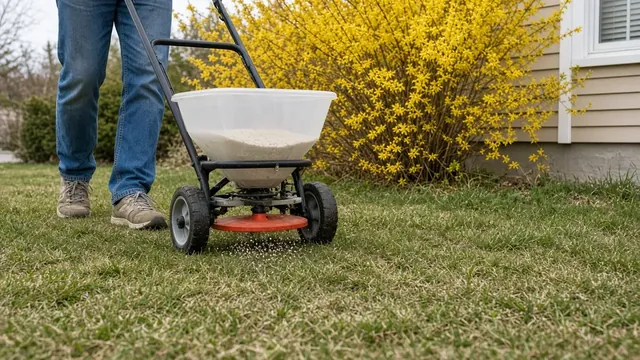 When to Apply Crabgrass Pre-Emergent (Soil Temperature, Forsythia, and Split Applications)Get pre-emergent down before soil temperatures average about 54 to 55°F for several days, which usually lines up with forsythia bloom, and water it in.
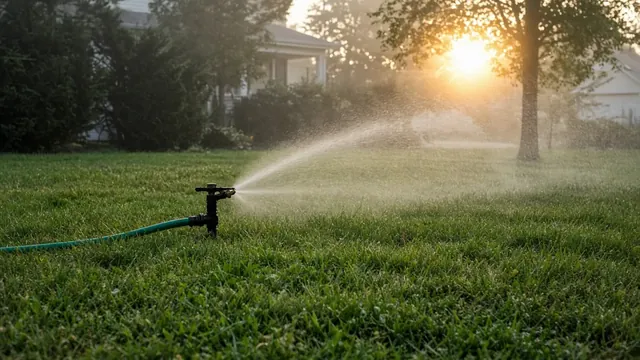 How Much Should You Water Your Lawn? (1 Inch Rule, Tuna Can Test, Best Time)Aim for about 1 inch of water a week including rain, applied deeply and less often so the soil is wet 4 to 6 inches down, and water early in the morning.
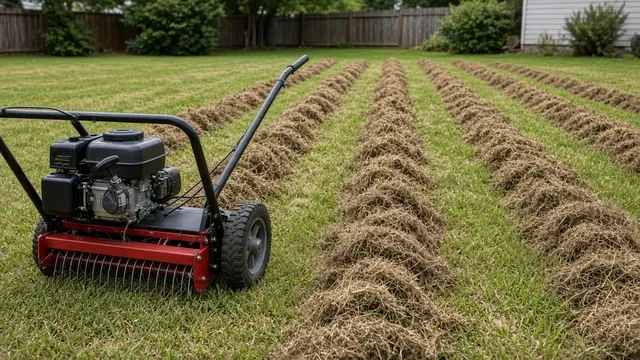 When to Dethatch Your Lawn (and How to Tell If You Even Need To)Thatch under half an inch is normal. Dethatch only when it's thicker, in late summer to early fall for cool-season grass or late spring to early summer for zoysia and other warm-season grass.
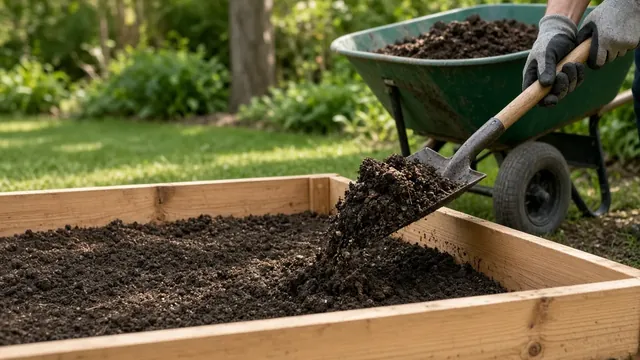 Raised Bed Soil Mix: What to Fill It With and How Much You NeedA simple, proven mix is about 70% screened topsoil and 30% compost, or roughly half and half. Multiply length by width by depth in feet, then divide by 27 for cubic yards.
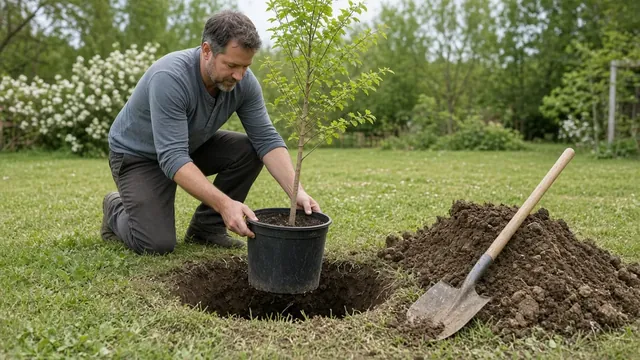 How to Plant a Tree the Right Way (Hole Size, Root Flare, Mulch)Dig a hole 2 to 3 times wider than the root ball but no deeper, set the root flare at or slightly above grade, backfill with the soil you dug out, water, and mulch in a wide ring kept off the trunk.
More Guides
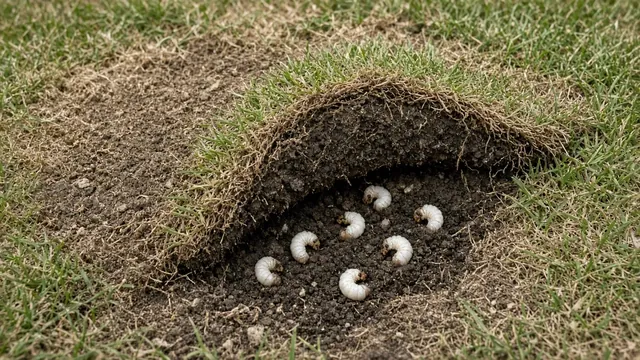 Lawn Grubs: How Many Is Too Many, and When to TreatA few grubs don't mean you need to treat. Thresholds run from about 3 to 4 per square foot for May/June beetles up to 8 to 12 for Japanese beetles and masked chafers. Count before you spray.
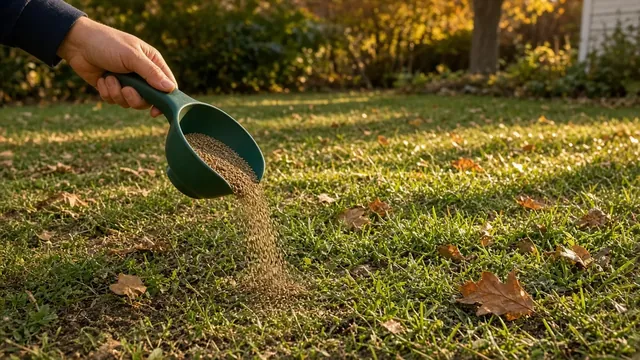 Best Time to Overseed a Lawn (Cool-Season and Warm-Season)Overseed cool-season lawns from mid-August to mid-September. Seed warm-season grasses in late spring to early summer once soil is in the 65 to 75°F range.
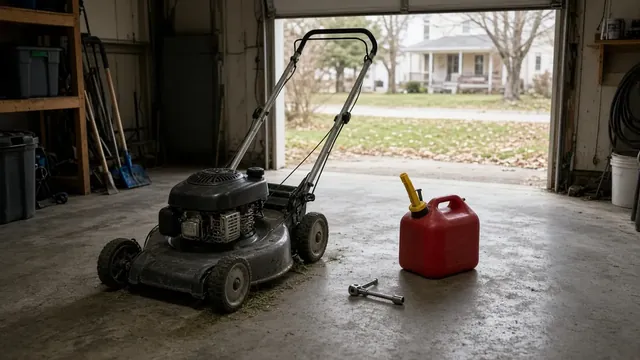 Lawn Mower Won't Start After Winter? Check These Things in OrderMost no-start mowers in spring have stale fuel. Swap in fresh gas, then check the spark plug, the air filter and finally the carburetor.
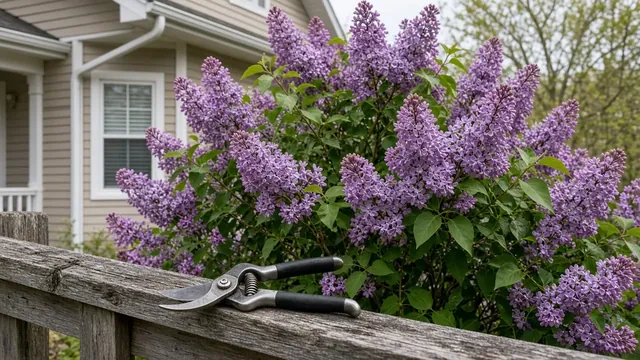 When to Prune Flowering Shrubs: Spring vs. Summer BloomersSpring bloomers like lilac and forsythia flower on last year's wood, so prune them right after they bloom. Summer bloomers flower on new growth, so prune them in late winter or early spring.
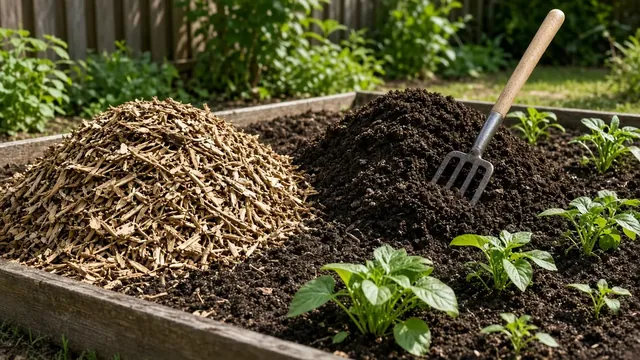 Mulch vs. Compost: What's the Difference and When to Use EachMulch is a surface layer that holds moisture and blocks weeds. Compost is decomposed organic matter that you work into soil to improve it. Most gardens benefit from both.
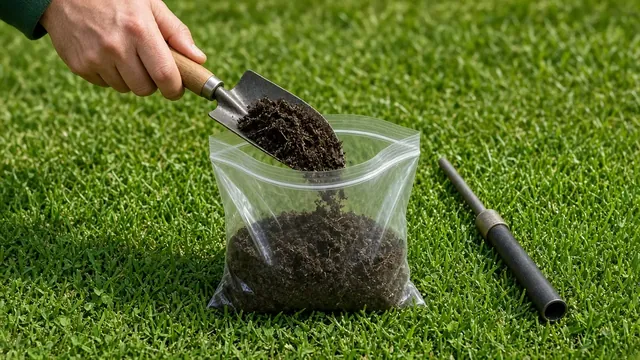 Lawn Soil pH and Lime: Do You Need It, and How Much?Lawns do best in soil around pH 6.0 to 7.0. Only add lime or sulfur if a soil test says so, and don't apply more than about 50 lb of lime per 1,000 square feet at once.