Best Time to Overseed a Lawn (Cool-Season and Warm-Season)
Why Late Summer Wins for Cool-Season Grass
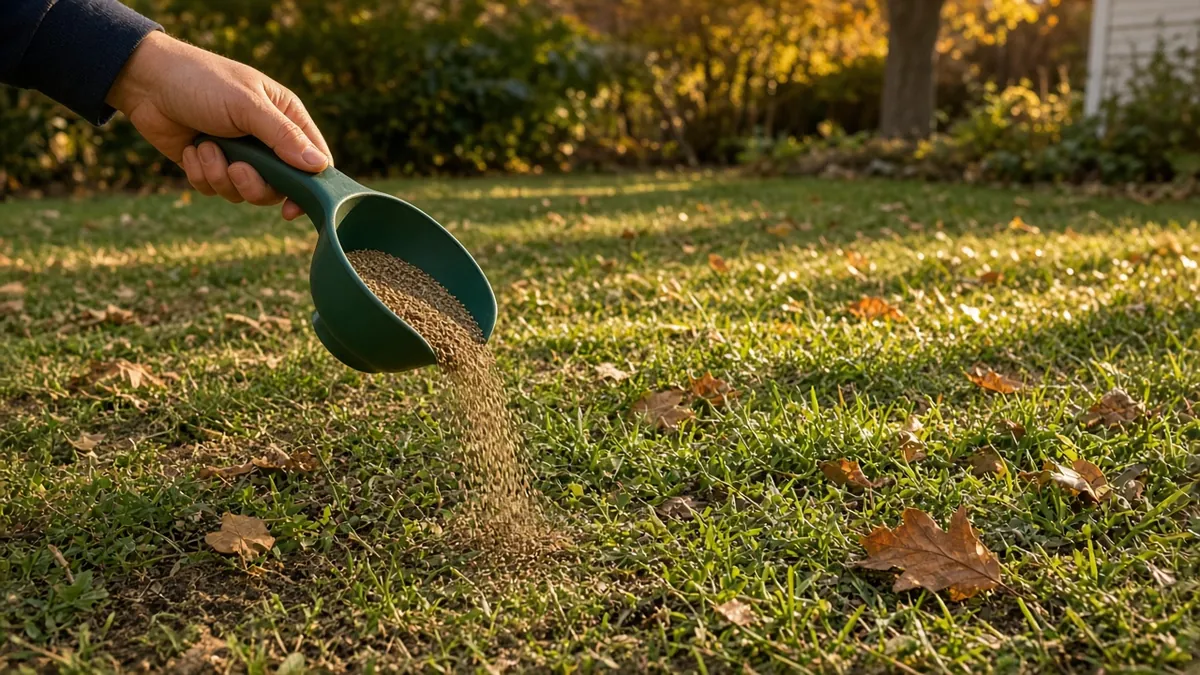
Iowa State, Maryland and Nebraska extension all point to late summer and early fall as the best seeding window for cool-season lawns. Iowa State puts it at mid-August to mid-September. Things line up well then:
- Soil is still warm from summer, so seed germinates quickly.
- Air temperatures are cooling, which suits cool-season seedlings.
- Annual weeds like crabgrass are finishing up instead of just getting started.
- The new grass gets two cool growing seasons, fall and the following spring, before its first summer.
Spring seeding can work, but the young grass faces summer heat with a short root system, and it competes with crabgrass. Plus most crabgrass preventers stop grass seed too.
Warm-Season Grass Timing
Bermudagrass, zoysiagrass, centipede and other warm-season grasses need warmth to germinate. Seed them in late spring to early summer once soil temperatures are roughly 65 to 75°F. That gives them a full summer to establish before going dormant in fall. Seeding warm-season grass in fall is a bad bet because seedlings don't have time to mature before cold weather.
Some St. Augustinegrass and many zoysia cultivars are mostly planted as sod or plugs instead of seed.
Getting Seed-to-Soil Contact
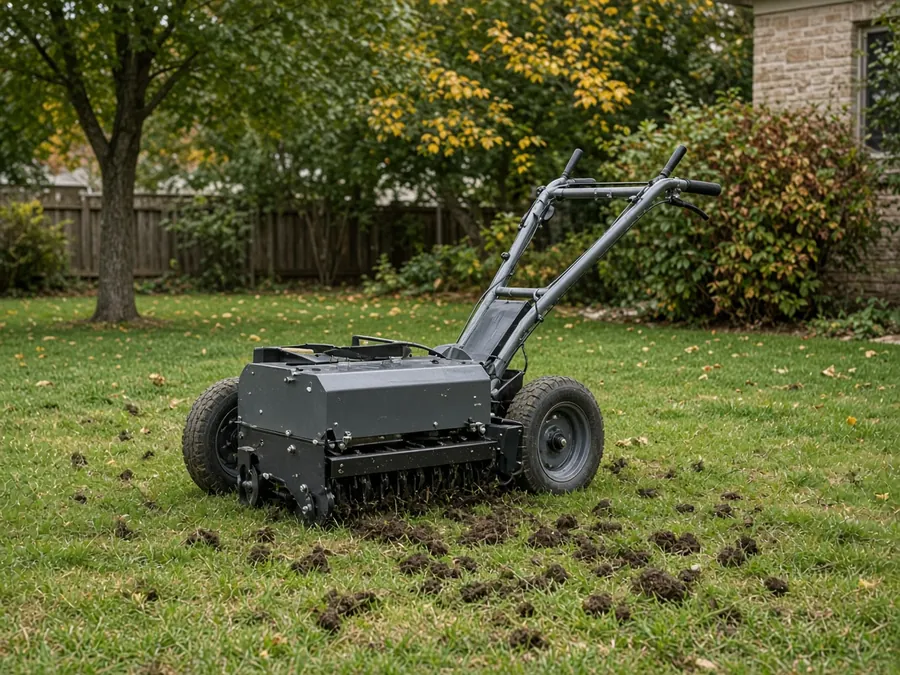
This is the step people skip, and it's why a lot of overseeding fails. Seed thrown on top of thick grass and thatch mostly dries out or feeds birds. It has to touch soil.
- Mow low before seeding, lower than your normal height, and bag the clippings.
- Open the soil. Core aerate with several passes, or rent a slit seeder that cuts grooves and drops seed into them. If thatch is over half an inch, dethatch first.
- Spread seed at the overseeding rate on the bag, using a spreader. Split it into two passes at right angles for even coverage.
- Drag or lightly rake so seed settles into the aeration holes and slits.
Watering New Seed
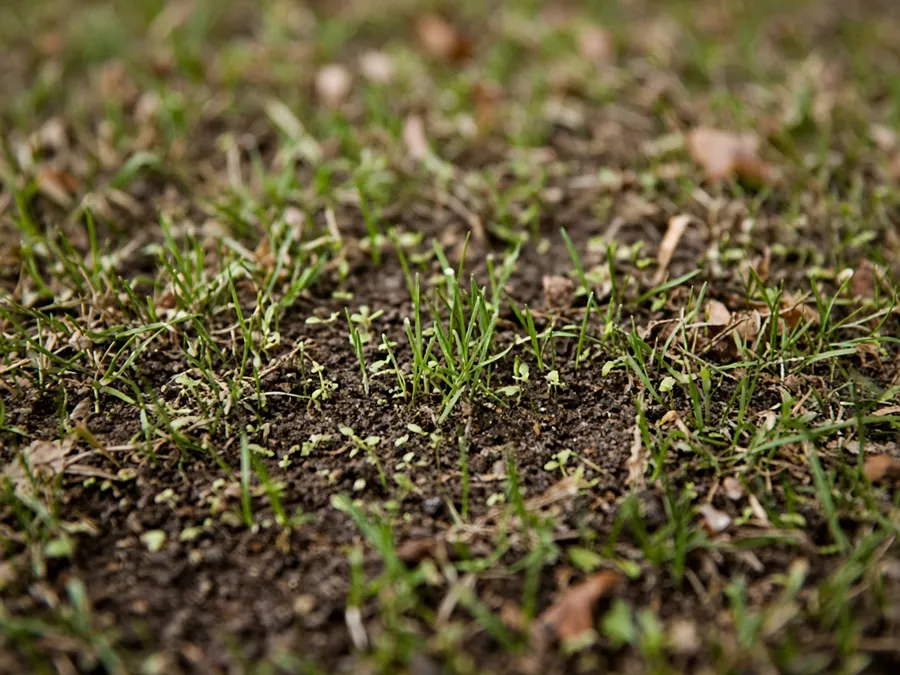
New seed needs the top surface kept moist until it germinates. That usually means light watering once or twice a day, maybe more on hot, windy days. Don't soak it into puddles, which washes seed around.
As seedlings come up and grow, gradually water less often but more deeply. By the time the new grass has been mowed a couple of times, you can move to a normal deep-and-infrequent schedule.
First Mowing and Fertilizing
Mow when the new grass reaches your regular mowing height plus about a third, using a sharp blade. Keep foot traffic off the area until it's established. A starter fertilizer at seeding time is common; follow the bag rate and any local rules on phosphorus use, which some states restrict for lawns.
And hold off on herbicides. Most broadleaf weed killers and crabgrass preventers say on the label how long to wait after seeding. Usually it's after several mowings.
Frequently Asked Questions
When is the best time to overseed a cool-season lawn?
Late summer to early fall, roughly mid-August to mid-September according to Iowa State Extension.
Can I overseed in spring?
You can, but results are usually worse. Seedlings face summer heat young and compete with crabgrass, and you can't use most crabgrass preventers.
What soil temperature do warm-season grass seeds need?
About 65 to 75°F, which typically arrives in late spring to early summer.
Should I aerate before overseeding?
Yes. Core aeration or slit seeding gives the seed contact with soil, which is the biggest factor in good germination.
- Iowa State University Extension and Outreach, Overseeding a Lawn
- University of Maryland Extension, Lawn Establishment and Renovation
- University of Nebraska-Lincoln Extension, Lawn Overseeding
- UMass Amherst Center for Agriculture, Lawn Renovation