How High Should You Mow Grass? Mowing Height Chart by Grass Type
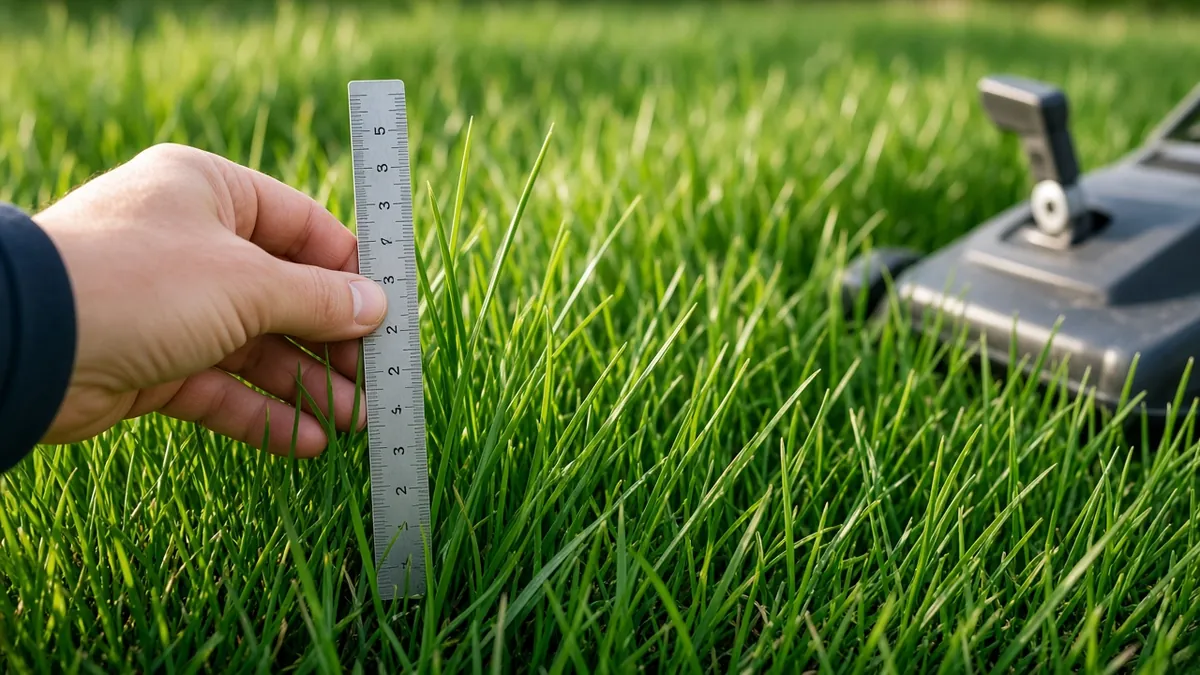
Mowing Height Chart by Grass Type
There isn't one right height for every lawn. The grass you have matters more than anything else, and the ranges below come straight from land-grant university turf programs. Where two schools publish slightly different numbers, both are shown so you can see the spread.
| Grass | Type | Suggested home lawn height | Source range |
|---|---|---|---|
| Tall fescue | Cool-season | 2.5 to 3.5 in. | Illinois 2.5–3.5; Maryland 3–4 |
| Kentucky bluegrass | Cool-season | 2 to 3.5 in. | Illinois 2–3; Maryland 2.5–3.5 |
| Perennial ryegrass | Cool-season | 2 to 3 in. | Illinois 2–3 |
| Bermudagrass | Warm-season | 1 to 2 in. | Illinois, LSU, UGA 1–2 |
| Zoysiagrass | Warm-season | 1 to 2.5 in. | LSU 1–2.5; UGA 1–2; Illinois 1–3 |
| St. Augustinegrass | Warm-season | 2.5 to 3 in. | LSU 2.5–3; UGA 2–3 |
| Centipedegrass | Warm-season | 1 to 2.5 in. | LSU 1–2.5 |
| Buffalograss | Warm-season | 1.5 to 3 in. | Illinois 1.5–3 |
For a typical northern lawn that's a blend of bluegrass, rye and fescue, Illinois Extension's plain advice works well: pick something between 2.5 and 3 inches, set the deck and leave it there. Taller lawns tend to root deeper and have fewer weed problems.
The One-Third Rule, With Real Numbers
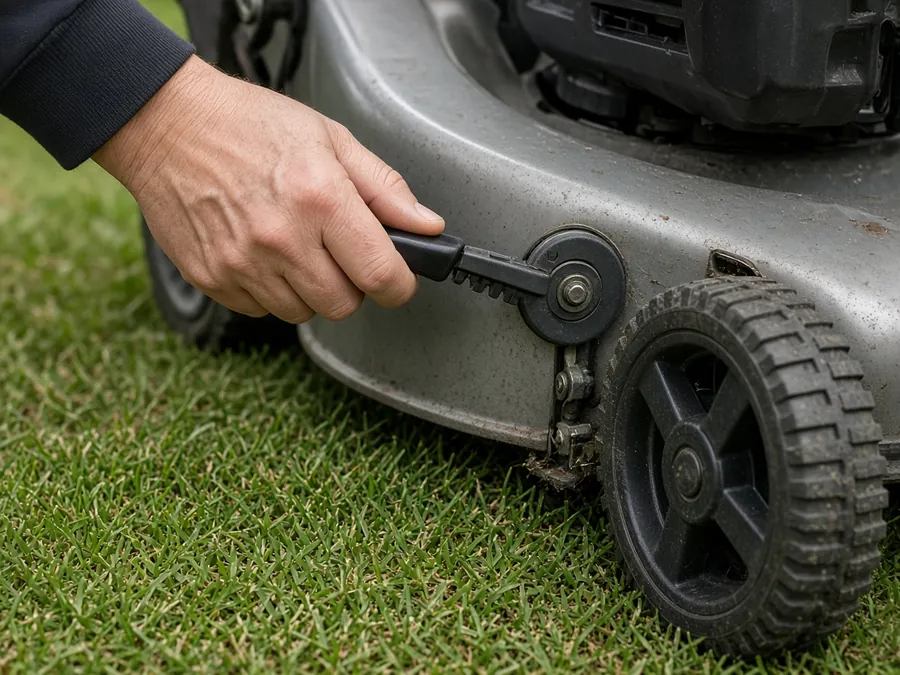
The one-third rule says you shouldn't remove more than a third of the leaf blade in a single mowing. LSU AgCenter calls it more of a guideline than a law, and they're right that the real benefit is mowing regularly, but it gives you a simple trigger for when to mow.
| Height you want to keep | Mow when grass reaches | Amount removed |
|---|---|---|
| 1 in. | 1.5 in. | 0.5 in. |
| 2 in. | 3 in. | 1 in. |
| 2.5 in. | 3.75 in. | 1.25 in. |
| 3 in. | 4.5 in. | 1.5 in. |
| 3.5 in. | 5.25 in. | 1.75 in. |
Those numbers come from New Mexico State's mowing guide. In spring when cool-season grass is growing fast, sticking to that rule can mean mowing more than once a week. Maryland Extension says the same thing, weekly mowing may not be enough during peak spring growth.
Cutting off too much at once shocks the plant. It loses leaf area it needs for photosynthesis, the tips brown out, and the roots take a hit. Maryland's guide also notes that scalping a lawn is a major cause of crabgrass infestations, which is a good reason on its own to keep the deck up.
Why Mowing Too Short Causes So Many Problems
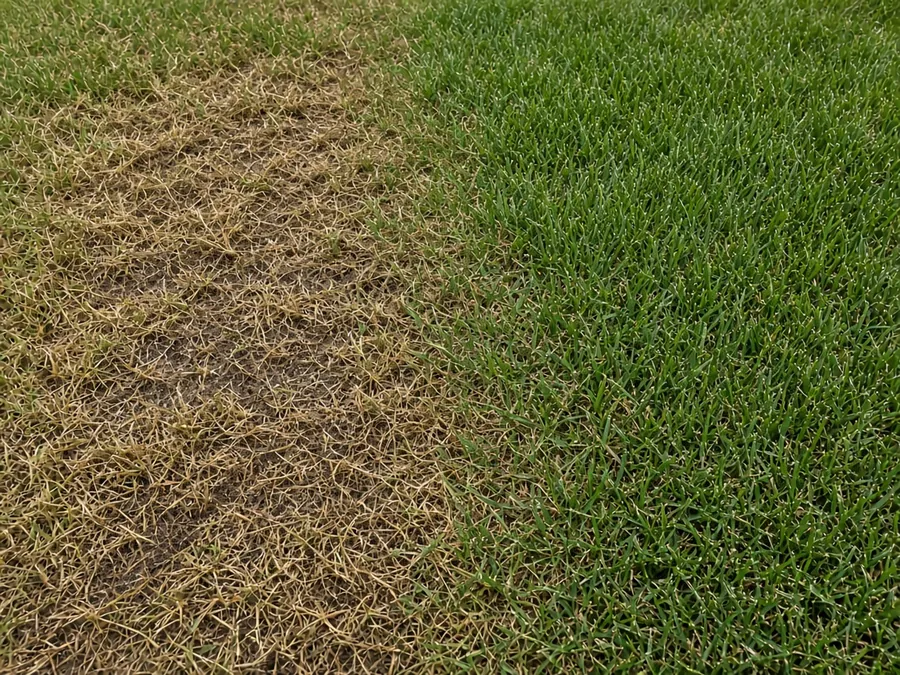
Low mowing gives you a dense look for a few weeks, then it starts costing you. NMSU points out that closer mowing reduces root growth, so the lawn needs more water and fertilizer to make up for the shallow roots and becomes less tolerant of heat, drought and disease.
Taller grass shades the soil surface. That keeps the soil cooler and makes it harder for weed seeds like crabgrass to sprout in the first place. Maryland Extension goes as far as saying proper mowing height can cut weeds and diseases in tall fescue by 50% to 80%.
If you've been mowing a cool-season lawn at 1.5 or 2 inches and fighting weeds every summer, raising the deck is probably the cheapest fix you'll ever make.
When to Raise or Lower the Mower
- Hot, dry stretches: UGA and Maryland both suggest raising the height about half an inch (Maryland says up to an inch) during summer heat. Don't mow dormant brown grass during a drought at all.
- Wet grass: Illinois Extension says it's never advisable to mow wet grass. The cut is ragged and clippings clump.
- Shade: grass in shade has less light to work with, so leaving it on the taller end of its range helps.
- Dormant season: LSU notes there's generally no need to mow warm-season grass while it's dormant.
Sharp Blades and Leaving the Clippings
A dull blade tears grass instead of cutting it, and the shredded tips turn tan a day or two later. Maryland Extension suggests sharpening at the start of the season and then every 4 to 6 weeks of mowing.
And if you mow often enough to follow the one-third rule, you can leave the clippings on the lawn. That's called grasscycling. Short clippings break down fast and don't cause thatch, since thatch is mostly stems and roots rather than leaf blades. LSU does warn that big clumps left after a long gap between mowings can block light and thin the grass underneath, so bag or spread those out.
Frequently Asked Questions
What is the best mowing height for most lawns?
For most cool-season home lawns, 2.5 to 3 inches is a good all-round setting according to Illinois Extension. Warm-season grasses like bermuda and zoysia are usually kept lower, around 1 to 2 inches.
Is it better to cut grass short or long?
Longer is better for most home lawns. Taller grass roots deeper, shades out weed seeds and handles drought better. Mowing too short is one of the main causes of lawn decline and crabgrass.
How often should I mow?
Often enough that you never remove more than a third of the blade. In spring that can mean twice a week for cool-season grass; in midsummer it may be every week or two.
Should I raise my mower in summer?
Yes. University of Georgia and Maryland Extension both recommend raising the deck about a half inch during hot, dry weather.
- University of Illinois Extension, Mowing Your Lawn
- University of Maryland Extension, Mowing or Grasscycling - Lawns (2023)
- LSU AgCenter, The One-Third Mowing Rule
- New Mexico State University Guide H-505, Mowing Your Lawn
- UGA Extension Fulton County, May Lawn Care Update (2025)